
7-Day Safari Tanzania
FROM $1,600.00 USD* / VARIED LANDSCAPE EXPERIENCE / 7 DAYS
* Indicative costs per person, excluding international airline tickets
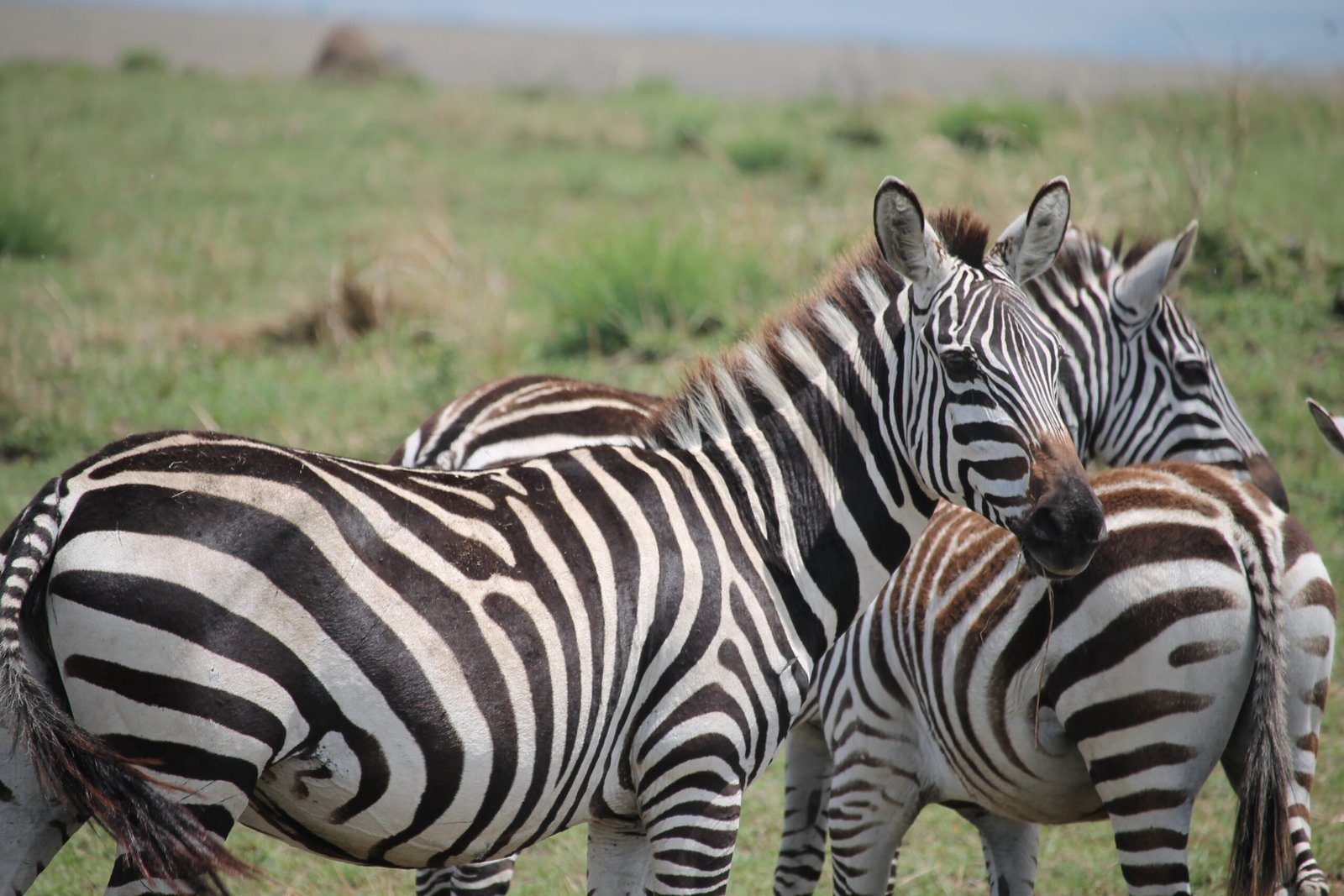
Photo by Timo Heidinger
Serengeti, Ngorongoro, Tarangire — the parks everyone comes for. We won’t pretend they’re undiscovered. What changes the trip is timing and routing, and a guide who works these ecosystems year-round.
Eleven days, private vehicle, no convoy departures. Elephant herds under Tarangire’s baobabs, open plains in the Serengeti, then five days on Zanzibar to let it settle.
Every booking funds biodiversity and research work with our partner projects in Tanzania. You get the parks. The parks get something back.
Price
April – May
$
2,100
00 USD*
-
2 persons -
4 persons: $1,600.00 USD* -
6 persons: $1,400.00 USD*
Details
* Indicative costs per person, excluding international airline tickets
Rest Of The Year
$
2,300
00 USD*
-
2 persons -
4 persons: $1,800.00 USD* -
6 persons: $1,600.00 USD*
Details
* Indicative costs per person, excluding international airline tickets
July – September
$
2,500
00 USD*
-
2 persons -
4 persons: $2,000.00 USD* -
6 persons: $1,800.00 USD*
Details
* Indicative costs per person, excluding international airline tickets
April – May
$
2,100
00 USD*
-
2 persons -
4 persons: $1,600.00 USD* -
6 persons: $1,400.00 USD*
Details
* Indicative costs per person, excluding international airline tickets
Rest Of The Year
$
2,300
00 USD*
-
2 persons -
4 persons: $1,800.00 USD* -
6 persons: $1,600.00 USD*
Details
* Indicative costs per person, excluding international airline tickets
July – September
$
2,500
00 USD*
-
2 persons -
4 persons: $2,000.00 USD* -
6 persons: $1,800.00 USD*
Details
* Indicative costs per person, excluding international airline tickets
Included
-
All accomodations -
24/7 service -
English-speaking guide -
Game drives -
Pickup and transfer from/to airport
-
Park and crater fees -
Full board during safari -
Reservation costs
Excluded
-
Visas -
Travel insurance -
International flights
Route
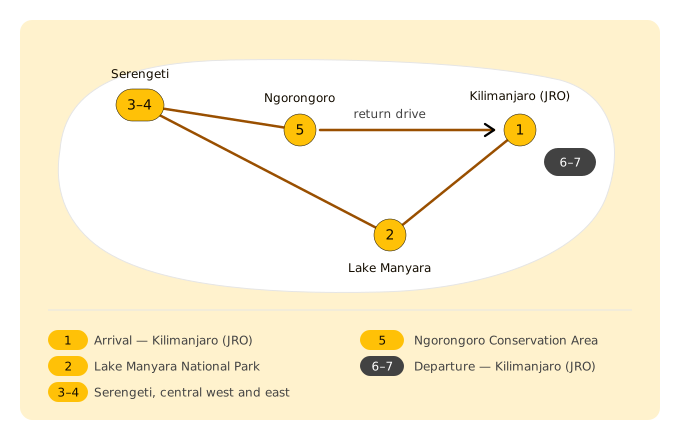
Itinarary
Day 1: Arrival at Kilimanjaro International Airport
You land at Kilimanjaro International. Somewhere past the baggage hall, your guide is waiting — Tanzanian, and someone who works these parks year-round rather than reading them off a card. Karibu Tanzania. Short transfer to the hotel, and the rest of the day is yours to do nothing with.

Photo by Stephan Bechert
Accomodation:
Ahadi Lodge
Day 2: Lake Manyara National Park
A narrow strip of park pressed between a soda lake and a 400-metre wall of rock. That wall is the western edge of the Great Rift Valley, and it’s in view for most of the day.
The forest at the gate is the surprise. It’s groundwater forest — fed from springs at the base of the escarpment rather than by rain — so it stays green and closed and loud when the country outside it is dry. Blue monkeys and baboons in the canopy, hornbills, and the light coming down in shafts.
Past the forest the park opens into woodland and floodplain, and the elephants here are used to vehicles in a way they aren’t everywhere. Then the lake itself — alkaline, shallow, and lined with flamingos when the water is right. How much of the park it covers depends entirely on the rains; some years it’s most of it, other years it pulls back to a pale crust.
Manyara is small. You can see it properly in a morning, which is exactly why it works as the first park of the trip — a gentle start before the long drive west.

Photo by Florian Müllerrt
Accomodation:
Manyara Best View Lodge
Day 3-4: Serengeti National Park (central west/east)
Two full days, which is what the Serengeti actually needs. One day gets you a drive through it. Two gets you a morning and an evening — the hours when the plains are doing something.
The park holds the largest lion population anywhere in Africa, and central Serengeti is where the density is highest: resident prides, kopjes they return to, cheetah on the open ground, leopard in the riverine trees if the light and the luck hold. We won’t give you a checklist. Your guide will tell you honestly what’s likely this week and what isn’t.
On the Migration: it moves. Whether the herds are in this part of the park depends entirely on when you travel, and we’ll tell you before you book rather than after. Roughly May to July puts the central and western corridor in the path. Outside that window, the Serengeti is still worth two days — just for different reasons.

Photo by Jorge Tung
Accomodation:
Serengeti Sound of Silcence Tented Camp
Day 5: Ngorongoro Conservation Area (incl. Crater)
The largest intact volcanic caldera on earth, and the only place on this itinerary where we’ll tell you in advance about the traffic.
The crater floor takes a fixed number of vehicles and a fixed number of hours, and most operators descend at the same time on the same morning. We go early or we go late, and we accept a shorter window in exchange for a floor that isn’t full. If your guide suggests waiting an hour, there’s a reason.
What’s down there justifies the discipline: around 250 square kilometres of grassland, swamp and soda lake with resident lion prides, elephant bulls carrying tusks you won’t see elsewhere, and one of the last populations of black rhino in northern Tanzania — a couple of dozen animals, usually far off, occasionally not. If you see one, understand what you’re looking at.
Ngorongoro is also not a park. Maasai families graze cattle inside the conservation area under an arrangement that has been contested for decades. Ask your guide about it. It’s a more interesting conversation than the animals.

Photo by Mwandwe Chileshe
Accomodation:
Manyara Best View Lodge
Day 6-7: Departure (from Kilimanjaro International Airport)
The drive back east from the crater highlands takes most of the morning — down off the escarpment, through Mto wa Mbu, and back toward Arusha with Meru ahead of you.
Depending on your flight, there’s usually time for lunch and a shower before the airport. Most international departures from Kilimanjaro leave in the evening, so we’ll build the day around your ticket rather than a fixed schedule.
Day 7 is the flight itself. Most routes home go overnight and land the following morning.
Before you go. A share of what you paid for this trip goes into the biodiversity and community work we support in Tanzania. We’ll send you a note afterwards saying where it went — not a brochure, just the projects. It seems right that you know.
And if you’re not ready for the airport: Zanzibar is a short flight east, Pemba and Mafia are quieter still, and Kilimanjaro is right there if you fancy walking up it. Tell us before you book and we’ll build it in.

Photo by Aron Marinelli
You land at Kilimanjaro International. Somewhere past the baggage hall, your guide is waiting — Tanzanian, and someone who works these parks year-round rather than reading them off a card. Karibu Tanzania. Short transfer to the hotel, and the rest of the day is yours to do nothing with.
Photo by Stephan Bechert
Accomodation:
Ahadi Lodge
A narrow strip of park pressed between a soda lake and a 400-metre wall of rock. That wall is the western edge of the Great Rift Valley, and it’s in view for most of the day.
The forest at the gate is the surprise. It’s groundwater forest — fed from springs at the base of the escarpment rather than by rain — so it stays green and closed and loud when the country outside it is dry. Blue monkeys and baboons in the canopy, hornbills, and the light coming down in shafts.
Past the forest the park opens into woodland and floodplain, and the elephants here are used to vehicles in a way they aren’t everywhere. Then the lake itself — alkaline, shallow, and lined with flamingos when the water is right. How much of the park it covers depends entirely on the rains; some years it’s most of it, other years it pulls back to a pale crust.
Manyara is small. You can see it properly in a morning, which is exactly why it works as the first park of the trip — a gentle start before the long drive west.
Photo by Florian Müllerrt
Accomodation:
Manyara Best View Lodge
Two full days, which is what the Serengeti actually needs. One day gets you a drive through it. Two gets you a morning and an evening — the hours when the plains are doing something.
The park holds the largest lion population anywhere in Africa, and central Serengeti is where the density is highest: resident prides, kopjes they return to, cheetah on the open ground, leopard in the riverine trees if the light and the luck hold. We won’t give you a checklist. Your guide will tell you honestly what’s likely this week and what isn’t.
On the Migration: it moves. Whether the herds are in this part of the park depends entirely on when you travel, and we’ll tell you before you book rather than after. Roughly May to July puts the central and western corridor in the path. Outside that window, the Serengeti is still worth two days — just for different reasons.
Photo by Jorge Tung
Accomodation:
Serengeti Sound of Silcence Tented Camp
The largest intact volcanic caldera on earth, and the only place on this itinerary where we’ll tell you in advance about the traffic.
The crater floor takes a fixed number of vehicles and a fixed number of hours, and most operators descend at the same time on the same morning. We go early or we go late, and we accept a shorter window in exchange for a floor that isn’t full. If your guide suggests waiting an hour, there’s a reason.
What’s down there justifies the discipline: around 250 square kilometres of grassland, swamp and soda lake with resident lion prides, elephant bulls carrying tusks you won’t see elsewhere, and one of the last populations of black rhino in northern Tanzania — a couple of dozen animals, usually far off, occasionally not. If you see one, understand what you’re looking at.
Ngorongoro is also not a park. Maasai families graze cattle inside the conservation area under an arrangement that has been contested for decades. Ask your guide about it. It’s a more interesting conversation than the animals.
Photo by Mwandwe Chileshe
Accomodation:
Manyara Best View Lodge
The drive back east from the crater highlands takes most of the morning — down off the escarpment, through Mto wa Mbu, and back toward Arusha with Meru ahead of you.
Depending on your flight, there’s usually time for lunch and a shower before the airport. Most international departures from Kilimanjaro leave in the evening, so we’ll build the day around your ticket rather than a fixed schedule.
Day 7 is the flight itself. Most routes home go overnight and land the following morning.
Before you go. A share of what you paid for this trip goes into the biodiversity and community work we support in Tanzania. We’ll send you a note afterwards saying where it went — not a brochure, just the projects. It seems right that you know.
And if you’re not ready for the airport: Zanzibar is a short flight east, Pemba and Mafia are quieter still, and Kilimanjaro is right there if you fancy walking up it. Tell us before you book and we’ll build it in.
Photo by Aron Marinelli